Discover NI’s next-generation USB DAQ hardware
NI mioDAQ offers reliable measurement performance along with a better setup and software experience.
Featured products
Upcoming Event
NI Connect

Join us in Fort Worth, Texas, on April 28–30, 2025, for NI Connect—and discover how industry leaders and NI experts are leveraging a software-centric approach to test to navigate increasing product complexity and maintain a competitive edge.
Simplify Test and Measurement
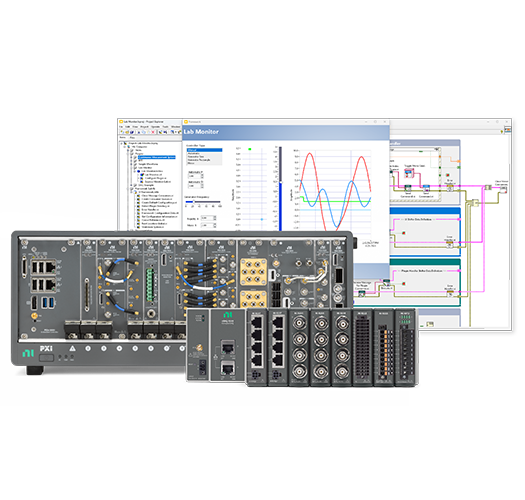
NI offers the hardware, software, and services that help you turn real-world data into insights that drive your business decisions. Choose from products for desktop design and prototyping to fully automated production test systems.
Shop by Application Area
Elevate Performance with Test
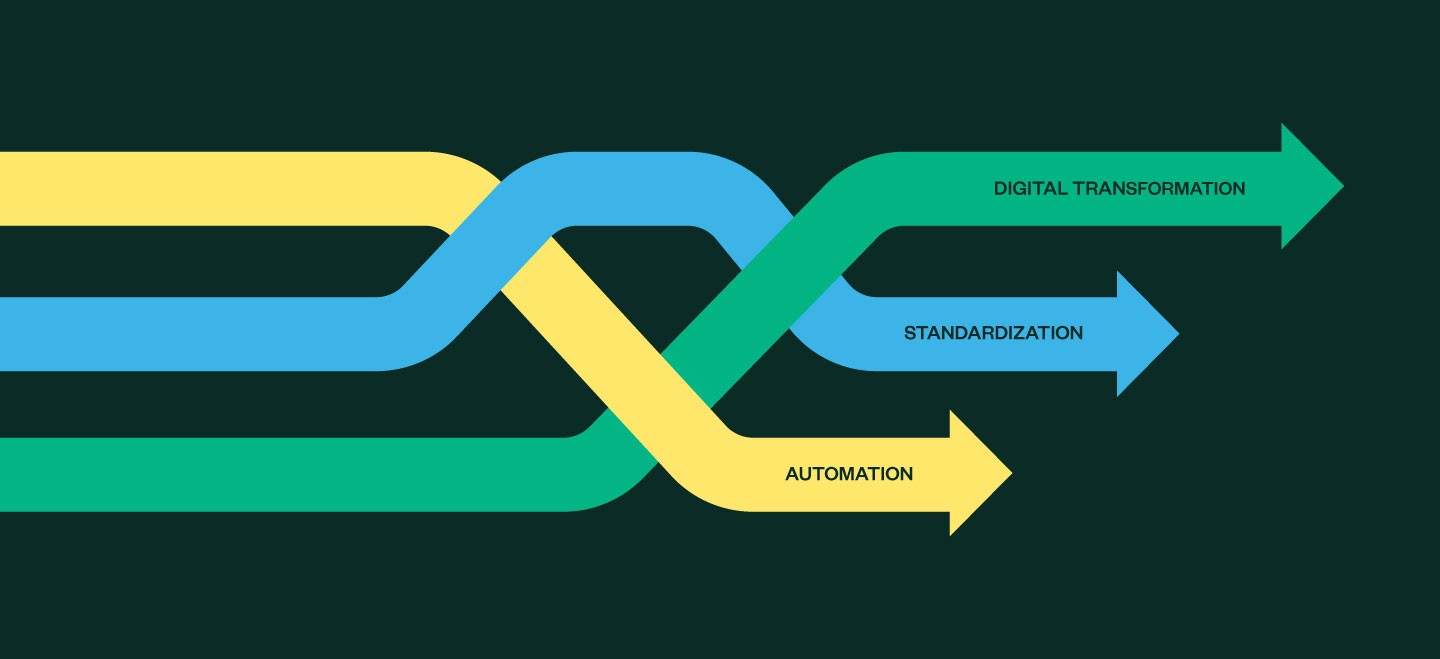
Unlocking the full benefits of test isn’t just about using a better tool. It requires an intentional strategy with automation, standardization, and digital transformation initiatives.
-
NI PERSPECTIVES
Breaking Out of Testing Silos
Standardizing your test approach is easier than you may think, and the benefits are worth the investment. Learn how to put standards in place to reduce cost and save time.
NI PERSPECTIVES -
NI PERSPECTIVES
Be Prepared for an Uncertain Future
The modern lab isn’t just a renovated workspace—it’s a living and breathing nucleus that bolsters your organization and elevates your tools, people, and processes.
NI PERSPECTIVES -
NI PERSPECTIVES
5G Isn't for You
5G isn’t for humans, but it will make human life better. As 5G extends well beyond wireless devices, let’s talk about who—or rather, what—it’s for.
NI PERSPECTIVES -
NI PERSPECTIVES
Engineering Ambitiously—from Anywhere
Providing engineers with easier remote access to tools isn’t just useful, it’s vital. Learn about the four factors that enhance productivity during uncertain times.
NI PERSPECTIVES -
NI PERSPECTIVES
Breaking Out of Testing Silos
Standardizing your test approach is easier than you may think, and the benefits are worth the investment. Learn how to put standards in place to reduce cost and save time.
NI PERSPECTIVES -
NI PERSPECTIVES
Be Prepared for an Uncertain Future
The modern lab isn’t just a renovated workspace—it’s a living and breathing nucleus that bolsters your organization and elevates your tools, people, and processes.
NI PERSPECTIVES -
NI PERSPECTIVES
5G Isn't for You
5G isn’t for humans, but it will make human life better. As 5G extends well beyond wireless devices, let’s talk about who—or rather, what—it’s for.
NI PERSPECTIVES -
NI PERSPECTIVES
Engineering Ambitiously—from Anywhere
Providing engineers with easier remote access to tools isn’t just useful, it’s vital. Learn about the four factors that enhance productivity during uncertain times.
NI PERSPECTIVES